
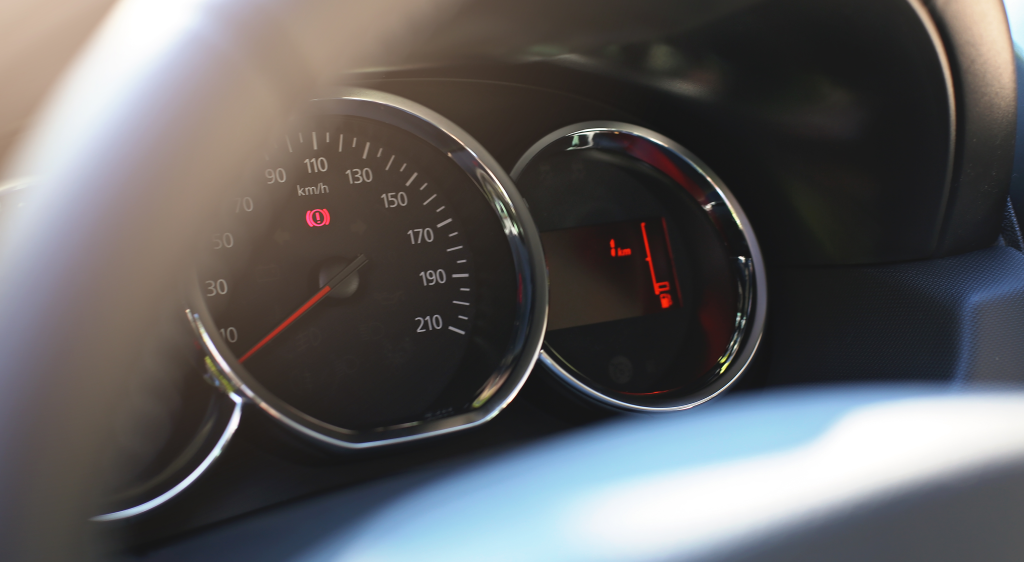
Is this an issue where you must breathe out, or is something else the problem here? The list below will help to give you some insight into the possible reasons behind your check engine light turning off, as well as advice on how to proceed from there once you have figured out what is going on. Should you be able to breathe out now that you know what has been happening?
How the Check Engine Light Works
Preventive MaintenanceA check engine light (or an acronym for malfunction indicator light (CEL) is a component of a larger system known as On Board Diagnostics II, or OBD-II, installed in every vehicle. The moment when sensors detect any malfunction in a car’s performance related to your engine, emissions, or transmission, the check engine light turns on. As a rule, it is meant to inform you about a malfunction that would gradually affect the performance, increase your fuel consumption, and cause more emissions.
As a rule, in cases where the issue detected has been corrected either because it was not a serious problem or the fault was resolved by professionals, the check engine light goes away on its own. Nevertheless, it doesn’t always mean that the job has been finished. For that reason, it is important to find out why it happened.
1. The Problem Was Intermittent
Intermittent issues are one of the most frequent reasons why the check engine light goes off on its own. Modern vehicles perform continuous monitoring of all systems and components in their work. In case the issue is detected, the sensor will trigger a problem, such as a loose fuel filler cap or engine misfiring. Later, during several cycles, the computer can detect that the fault has disappeared and automatically turn the light off.
Example: Loose Gas Cap
A classic culprit is a loose or poorly sealed gas cap. If you forget to tighten it after filling up, it can cause an evaporative emissions leak detected by your car’s computer. After you tighten it and drive for a while, your car might recognize that the system is sealed again and shut off the CEL.
2. The Issue Was Self-Correcting
Some faults are temporary and resolve themselves. For example:
- Bad fuel: Contaminated gasoline can cause misfires.
- Moisture: Damp weather can cause electrical glitches.
- Transient sensor errors: Sometimes sensors momentarily send incorrect data.
If these issues go away, perhaps after refueling or once your car dries out, the CEL may turn off as well.
3. The Car’s Computer Reset Itself
Occasionally, disconnecting your battery or performing certain repairs will erase stored error codes from your vehicle’s computer (ECU). This action can make both the active and pending codes kinda poof out—along with your check engine light. Still, that doesn’t really mean the root mechanical problem is gone for good. It’s more like the warning got cleared, for now, not a full repair or anything.
4. You Fixed the Underlying Problem
If you handled what set off the check engine light, like tightening the gas cap, swapping spark plugs, replacing an O2 sensor, or something similar, then the CEL should eventually shut off after a few drive cycles as long as nothing else shows up.
Why You Shouldn’t Ignore It
It’s easy to think “oh, it disappeared, so we’re ok,” but don’t go that route completely:
Stored Codes Often Stay: Even if the CEL turns off, the diagnostic trouble codes DTCs will usually hang around in your vehicle’s memory for a while.
The Real Issue Might Linger: Some faults are spotty, and they could come back later.
Emissions Testing Could Still Be a Problem: In many states and provinces, cars must pass an OBD-II scan for emissions compliance, even if there’s no visible warning light at the moment.
What Should You Do Next?
- Check for Obvious Issues: Make sure your gas cap is tight, and then pop the hood, look for anything that seems a little off.
- Use an OBD-II Scanner: A lot of auto parts places will scan your car for free, and they’ll tell you if any codes are still sitting in memory.
- Monitor Your Vehicle: Just pay attention to how it behaves, notice any unusual smells, odd vibrations, or if the performance suddenly feels different
- Consult a Professional: If you’re not sure what triggered the light, or if it comes back quickly after it goes out, then have a trusted mechanic do proper diagnostics, don’t just guess.
Peace of Mind Is Worth It
The earlier you attend to this issue, the better off you will be overall. Modern-day vehicles depend on sensors and computers in order to function properly, which means a check engine light, regardless of whether or not it stays on or turns off, needs to be dealt with immediately in order to save yourself money in the long run.
Choose Auto Repair
Better safe than sorry. The earlier you address this issue, the better off you will be overall. Modern-day vehicles depend on sensors and computers in order to function properly, which means a check engine light, regardless of whether or not it stays on or turns off, needs to be dealt with immediately in order to save yourself money in the long run. When you’re unsure, go with the cautious path and get the car assessed by a professional for that peace of mind.