
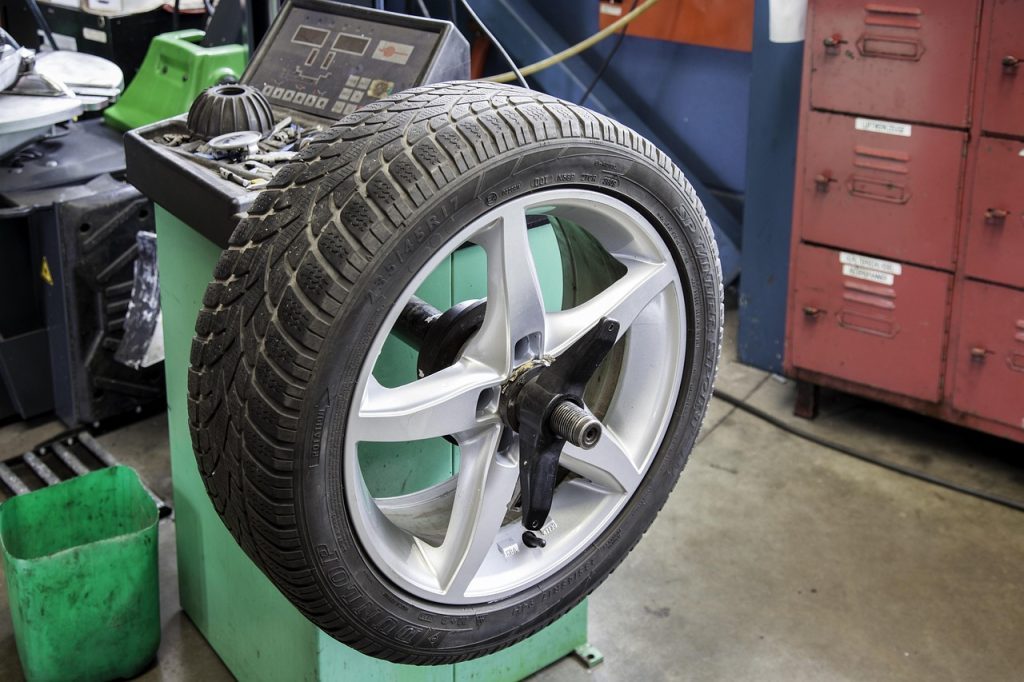
People tend to underestimate the amount of work their vehicle tires must perform according to their vehicle ownership status. The tires must support the entire weight of the vehicle while they absorb impact from potholes, and they must cope with all driving movements that occur during all different types of weather. The proper selection of tires exists as an important consideration, yet actual tire performance depends on proper maintenance, which results in uniform tire wear throughout their lifespan.
That is exactly what tire rotation is for.
At Accurate Total Auto Care, we receive inquiries from customers who ask, “What does tire rotation do?” and “Do I really need it if my tires look fine?” on a regular basis. The short answer is yes because rotation exists as a solution that does not address existing problems that you can already see. The process prevents tire damage, which happens through uneven tire wear, because this leads to shorter tire lifespan and decreased control of the vehicle, and results in increased future maintenance costs.
What Tire Rotation Means In Plain English
Tire rotation is a procedure that requires drivers to move their tires between different vehicle positions through front-to-back and side-to-side movements according to their vehicle’s drivetrain and tire specifications. The goal is simple: spread wear evenly across all four tires. Your tires from the same brand with the same size specifications and proper inflation will develop different wear patterns because the vehicle’s different corners experience in different force distribution. Rotation helps each tire “share the workload” over time.
Why Tires Wear Unevenly (Even When Everything Feels Fine)
People experience normal wear on their bodies, which becomes visible only after it reaches an advanced stage. The most frequent causes of this phenomenon are listed below.
Front Tires Usually Work Harder
Front-wheel drive vehicles require their front tires to perform both steering and acceleration functions, which results in faster front tire wear compared to rear tire wear. The front tires of many trucks and SUVs must handle additional steering pressure because they need to maintain vehicle control during turning.
Rear Tires Can Wear Differently Too
Truck drivers who frequently haul loads or tow trailers will find that their rear tires experience higher wear rates because their vehicle load causes the back end to droop and the load distribution remains uneven.
Turning Creates Different Wear Left To Right
Every time you turn, the outside tire takes more load. Over thousands of turns, that leads to small wear differences that add up. This is one reason rotations that include side-to-side changes are sometimes recommended when tire type allows it.
What Tire Rotation Actually Does For Your Vehicle
Rotation is one of those maintenance items that quietly pays off. Here is what it does in real terms.
It Helps Your Tires Last Longer
This is the big one. When a pair of tires wears much faster than the other pair, you can end up replacing two tires early or dealing with mismatched tread depths. The process of tire rotation enables all tires to wear down at the same rate, which results in maximum mileage from your purchase. Front tires that do not receive rotation during daily driving experience more rapid tire deterioration than rear tires. The process of tire rotation enables better tread depth control across all four vehicle tires.
It Improves Traction And Handling Consistency
Tread depth variations that exceed safe limits result in your vehicle losing its ability to perform properly. Rainy conditions will lead to drivers experiencing different levels of vehicle grip while their vehicles produce uneven braking and handle unpredictably during turns. Vehicle stability becomes compromised for drivers because variable tread patterns create stability issues when they operate their vehicles in wet weather.
Keeping tread wear even helps your tires work as a matched set, which is what your suspension and safety systems are designed around.
It Can Reduce Road Noise And Vibration
Certain wear patterns can cause humming, droning, or vibration that gets worse as you speed up. Rotation helps prevent those patterns from getting severe. If you already have a noise issue, rotation can sometimes shift the sound location and confirm whether the tires are the source, although it will not fix problems caused by bad alignment or damaged tires.
It Helps You Spot Other Problems Earlier
When we rotate tires at [company name], we are also checking tread depth, tire condition, and wear patterns. That wear pattern is valuable information. It can point to alignment issues, suspension wear, incorrect tire pressure habits, or balance problems.
Catching those early can save you from burning through a new set of tires too fast.
How Often Should You Rotate Tires?
Most vehicles require their first oil change after 5000 to 7500 miles or at their next maintenance date. Drivers who wait too long to rotate their tires experience uneven tire wear, which reduces the advantages of tire rotation. People who drive frequently in stop-and-go traffic or who need to transport heavy loads, tow trailers, or drive through uneven surfaces should start their tire rotation process earlier than their scheduled time. We create a maintenance schedule for your vehicle needs, which depends on your drivetrain system, tire specifications, and your driving behavior.
Tire Rotation Patterns (And Why They Matter)
Vehicle rotation requires different techniques because each vehicle has its own requirements. The correct pattern depends on whether you have front-wheel drive, rear-wheel drive, all-wheel drive, four-wheel drive, directional tires, or staggered sizes. The shop uses these common rotation methods for tire maintenance work.
- Front-wheel drive: Front tires usually move straight back, and rear tires move forward to the opposite sides.
- Rear-wheel drive or 4WD/AWD (non-directional tires): Rear tires usually move straight forward, and fronts move back to opposite sides.
- Directional tires: These can only rotate front to back on the same side because the tread is designed to roll in one direction.
- Staggered setups (different sizes front and rear): Rotation options can be limited, and sometimes only side-to-side is possible if the tires are not directional.
If you are not sure what you have, look at the sidewall. Directional tires often have an arrow that says “Rotation” showing the required direction of travel.
What Happens If You Skip Tire Rotations?
Many people choose to delay tire rotation because they believe it will not cause immediate vehicle failure. The long-term consequences become serious for drivers who spend extensive time driving or who want to use their tires until they reach the maximum distance they bought.
Here is what we commonly see when rotations are ignored:
The tire pair that wears out more quickly reaches the wear bars first when the tires experience uneven wear. When the tire damage reaches this point, you must choose between two early tire replacements or replacing all four tires before their scheduled time to maintain even tread depth. AWD systems experience increased stress when their tires have different tread depths because the system must continuously adjust to varying wheel sizes.
You may also notice more noise, less wet traction, and a general drop in ride comfort as wear patterns get worse.
Is Tire Rotation The Same As Wheel Alignment Or Balancing?
People mix these up all the time, and it is worth clearing up because they work together, but they are not the same service.
Tire Rotation
Moves tires to different positions to manage wear. It is preventive maintenance.
Wheel Alignment
The system adjusts suspension angles to achieve proper tire contact with the street. The tires will sustain their first improper damage because of misalignment, which will persist through your tire rotation schedule. The alignment requires your evaluation when your steering system shows visible pulling movements and your steering wheel appears distorted, and you notice your tires showing feathering together with asymmetrical wear patterns.
Tire Balancing
Corrects the weight distribution in the wheel and tire assembly to prevent vibration. If you feel shaking at highway speeds, balance is a common culprit.
Rotation helps a lot, but it cannot fix alignment or balance issues. If we see wear patterns that point to those problems, we will tell you before they destroy your tires.
Signs You Might Need A Rotation Sooner
A mileage schedule is great, but your tires can also “tell” you when something is off. If you notice any of the following, it is a good time to have us take a look:
Front-wheel drive vehicles will demonstrate greater front tire tread wear than their rear tire tread wear. The driver might experience different vehicle handling during turns, and the braking system will operate with less efficiency while the vehicle generates increased road noise. The only evidence of the problem appears through visible signs: tread blocks show an uneven pattern, or the tire edges wear down faster than the center. We can measure tread depth at each tire to show you the differences between your tires, even if you cannot identify what you see.
Tire Rotation Tips That Actually Make A Difference
Tire rotation requires the implementation of basic maintenance tasks, which must be performed at regular intervals. Two quick habits can make rotations more effective and help your tires last longer overall. The first step requires drivers to perform regular tire pressure checks. Drivers experience two different types of tire wear problems because tires become underinflated or overinflated. Drivers must acknowledge all vehicle performance variations, which include pulling and vibrating, and the creation of new road sounds. The initial signs of wear will become visible to you before your expenses increase to handle expensive repairs.
Let’s Keep Your Tires Wearing Evenly
Tire rotation functions as the most fundamental vehicle maintenance procedure, which delivers multiple advantages through extended tire lifespan, better driving stability, increased traction, and reduced risk of unexpected breakdowns. You can contact Accurate Total Auto Care at (479) 927-3604 to receive assistance for your tire needs when you cannot remember your last rotation date, or you need us to assess your tread condition and choose the appropriate rotation method for your vehicle.