When you need to purchase tires, their selection process becomes challenging because you must interpret the sidewall code which displays tire details as P225/65R17 102H. Every week we assist drivers who check their tire size properly but they remain confused because the numbers appear as a secret language.
The good news is tire sizing is consistent which enables you to identify required tire specifications for your vehicle within a few minutes. This guide explains tire size measurement in clear language while showing you where to find the information and helping you discover which mistakes people make when choosing tires.
Tire Size Basics: What The Sidewall Code
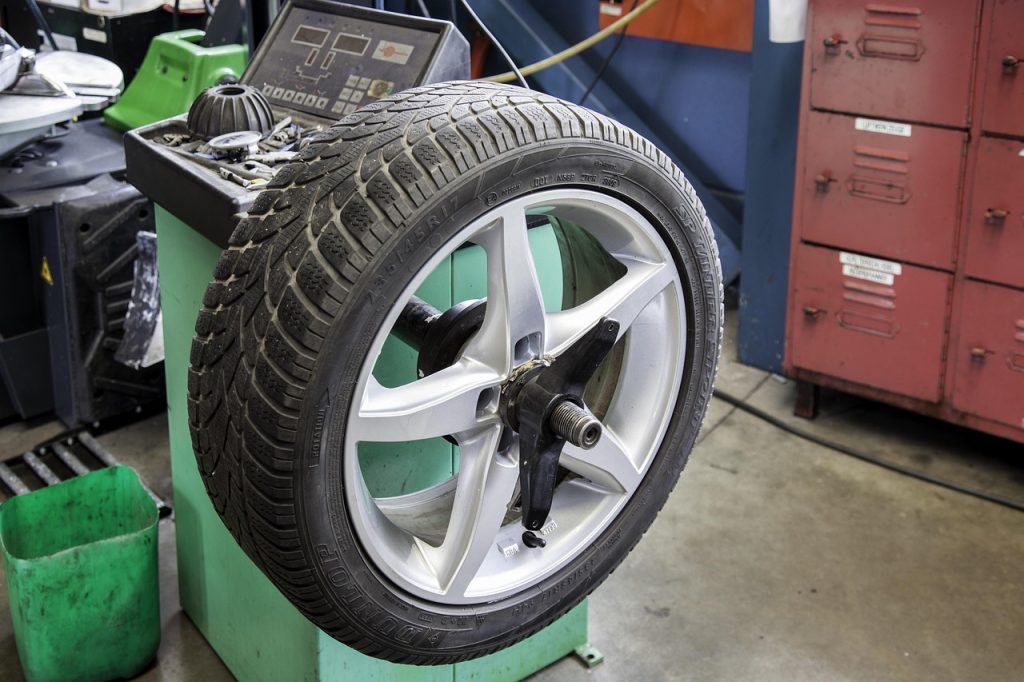
Means Let’s use a common example: P225/65R17 102H. The majority of passenger and light truck tires follow this design pattern which provides specific information about their fit requirements and safety features and performance capabilities.
The Tire Type (P, LT, Or No Letter)
The first letter (if present) describes the tire’s service type:
P means Passenger which is common on cars crossovers and many SUVs.
LT tires are designed for Light Truck usage which allows them to handle heavier loads found in trucks and larger SUVs.
The absence of a letter indicates it might be a Euro-metric size which can fit most passenger vehicles yet its load rating standards will differ.
Your vehicle requires LT tires. thus switching to passenger-rated tires will decrease your load capacity.
We can quickly verify your vehicle requirements.
The Tire Width (225)
225 is the tire’s width in millimeters which engineers measure from sidewall to sidewall. A wider tire can look great and add grip but it reduces clearance which creates changes to ride quality and steering experience and fuel efficiency.
The Aspect Ratio (65)
65 is the aspect ratio, meaning the sidewall height is 65% of the tire’s width. Higher numbers generally mean a taller sidewall, which usually rides smoother. Lower numbers generally mean a shorter sidewall, which often feels sportier but can ride firmer.
The Construction Type (R)
R stands for radial construction, which is the standard for modern vehicles. You might see other letters on specialty tires, but for everyday vehicles, radial is the norm.
The Wheel Diameter (17)
17 is the wheel diameter in inches, meaning this tire fits a 17-inch wheel. This is the number you can’t fudge. A 17-inch tire must go on a 17-inch wheel, period.
The Load Index And Speed Rating (102H)
At the end, you’ll often see something like 102H:
- 102 is the load index (how much weight each tire can safely carry when properly inflated).
- H is the speed rating (the tested speed capability under specific conditions).
These matter more than many drivers realize, especially on SUVs, trucks, and vehicles that carry passengers or cargo often. If you install a tire with a lower load index than your vehicle requires, you may be under-rated even if the tire “fits” physically.
Where To Find The Correct Tire Size For Your Vehicle
You’ll usually see the tire size in three places. We recommend checking at least two so you’re not relying on a tire that may have been changed by a previous owner.
Driver Door Jamb Sticker
Open the driver-side door and look for the tire information label on the door jamb. This sticker typically lists the original tire size, recommended pressures, and sometimes the spare tire size too.
This is the best starting point because it’s based on your vehicle’s factory specifications.
Owner’s Manual
Your manual often lists the correct size, plus acceptable options for different trims or wheel packages. This is helpful if you have an upgraded wheel size from the factory.
The Tire Sidewall
Your current vehicle tire displays its size information, but this information only helps when you have complete confidence about tire specifications. The size displayed on the door sticker needs to be verified through a second check, which you should perform before making any replacement orders.
How To Tell If A Different Tire Size Will Still Fit
Drivers often ask us if they can go a little bigger, a little wider, or switch wheel sizes. The solution may work correctly, or it may cause warning lights to activate and create an unpleasant driving experience because of the vehicle’s handling issues.
Keep Overall Diameter Close
A safe rule is to keep the new tire’s overall diameter close to stock. When the diameter changes too much, it can throw off:
- Speedometer and odometer readings
- ABS and traction control behavior
- Transmission shift points on some vehicles
- Fender and suspension clearance
Small changes can be fine, but it’s worth checking before you buy.
Watch Width And Clearance
The need for space increases because wider measurements require additional capacity for areas that exist inside space, which includes strut and control arm sections, and outside area that requires space between vehicles and fender liners. The tire clears at standstill, but it can rub when vehicle turns or encounters bumps or suspension system compresses.
Consider Sidewall Height For Comfort And Protection
Tire sidewall height should be considered because it affects both driving comfort and tire protection capabilities. Low-profile tires improve vehicle handling performance through enhanced control, but they decrease tire sidewall impact resistance capacity. Sidewall height affects wheel protection and ride comfort when driving on rough roads and potholes and towing and hauling.
Tire Size Versus Tire Type: Passenger, Touring, All-Terrain, And More
The two tires have identical dimensions, but they deliver distinct driving experiences. The size dimension of a product provides information about its appropriate usage. The tire classification system describes how tires will perform under specific conditions.
The highway touring tire 265/70R17 produces quieter operation than an all-terrain tire which uses the same dimensions. The all-terrain tire provides superior grip on gravel and mud and snow, yet it produces higher street noise, which results in decreased fuel efficiency.
The customer driving patterns which customers describe to us, enable us to find a suitable tire which fits their requirements, which includes their wheel size.
Understanding Load Range On Truck Tires (And Why It Matters)
If you drive a truck or a larger SUV, you may see extra markings like Load Range C, D, or E (especially on LT tires). Load range relates to the tire’s strength and carrying capacity.
A higher load range can be great for towing or hauling, but it can also ride stiffer if you don’t need that capacity. The right choice depends on your truck’s use, your axle ratings, and how often you carry weight.
If you’re using your truck for work or towing regularly, this is one area where we recommend getting it right instead of guessing.
Common Tire Size Mistakes We See (And How To Avoid Them)
Even careful shoppers can get tripped up. Here are a few real-world issues we help drivers fix all the time.
Mixing Similar-Looking Sizes
Sizes like 265/70R17 and 265/65R17 look close, but they are not the same. That sidewall number changes diameter, and it can affect speedometer accuracy and clearance.
Ignoring The Load Index
Some drivers buy the right size but pick a lower load index because it’s cheaper or in stock. That can be a safety issue, especially on vehicles that carry family, gear, or jobsite tools.
Replacing Only One Or Two Tires On AWD
AWD vehicles will experience problems when their tire diameter experiences any changes, according to research studies. The drivetrain will face long-term damage from installing one new tire together with three worn-out tires, which creates a situation where the tires have different rolling circumferences. You may need to replace all tires at once or use a tire shaver to bring one new tire into line with the rest of your tires.
If you have AWD, we can measure tread depth and help you choose the safest option.
Forgetting The Spare
If you rely on your spare for road trips or work routes, check it too. Some vehicles have a temporary spare with different limitations, and some have a full-size spare that should match your regular tires closely.
A Quick Step-By-Step Way To Choose The Right Tire Size
If you want a simple process you can follow every time, here’s what we recommend.
- Check the driver door jamb sticker for the factory size and pressures.
- Confirm your wheel diameter (the “R17” part, for example) matches what’s on the vehicle.
- Match the load index and speed rating to meet or exceed the original requirement.
- Tell us how you drive (highway commuting, towing, off-road, snow, performance) so we can match the right tire category to your needs.
That’s usually enough to get an accurate, confident purchase without wasting time or money.
Final Thoughts: Get The Fit Right The First Time
Tire size is one of those things that feels confusing until you break it into pieces. The process of selecting a suitable tire for your driving needs requires proper understanding of tire specifications and their corresponding numerical values which will help you to identify any potential rubbing problems and load issues and handling discrepancies between different tires.
To verify your precise tire dimensions or to explore available options or to assist you in selecting the optimal tire for your vehicle please contact us at (984) 363-4876 today. Our staff of professionals here at Accurate Total Auto Care in Springdale, AR, will assist you in finding the appropriate product while providing clear answers to your inquiries so you can drive with assurance.